Remedy profile
Capsicum annuum in Homeopathy: Uses, Picture and Limits
What homeopathic Capsicum is made from, the burning, chilly, homesick picture homeopaths describe, what changes it, potencies sold, and its limits.
By Homeopathic BenefitsPublished 7 min read
Key takeaways
- Capsicum is the chilli pepper's own picture. Homeopathic literature describes smarting, burning sensations, like pepper on raw skin, in the mouth, throat, stomach or rectum.
- The burning person is chilly. Classic texts describe someone who feels the cold, hates the slightest draught and wants to be warm despite the burning.
- Homesickness is its emotional keynote. Boericke (1927) pairs homesickness with sleeplessness and red cheeks, in a sluggish, easily offended person away from home.
- It comes from an everyday food. The pepper is not poisonous, but capsaicin is a strong irritant; the homeopathic preparation is diluted far past the point where any remains.
- Burning in the chest has red flags first. Difficulty swallowing, vomiting blood, black stools, unexplained weight loss, chest pain that could be the heart, or reflux lasting more than three weeks needs a clinician before any pattern discussion.
The short answer
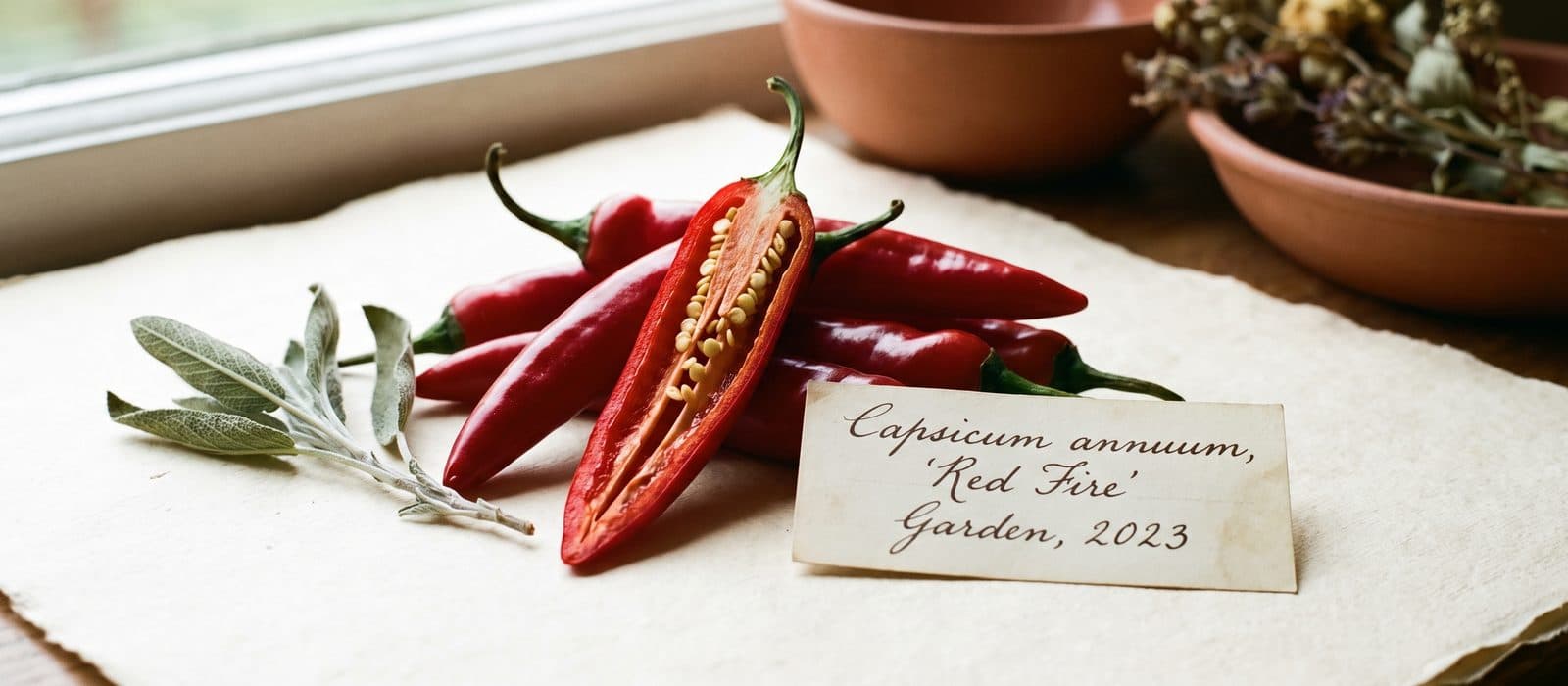
Capsicum is a homeopathic remedy prepared from the dried ripe pods of the chilli pepper, Capsicum annuum, made into a tincture and then diluted and succussed to the labelled potency. In homeopathy it names a traditional picture rather than a treatment: smarting, burning sensations that track the path of a hot pepper from mouth to stomach and beyond, in a person who is chilly, sluggish and worse from any draught. Classic materia medica adds homesickness with red cheeks and poor sleep. Hahnemann recorded its proving in Materia Medica Pura, and Boericke (1927) gives the burning, the chilliness and the homesickness first place. It is not a heartburn remedy, and nothing about the picture replaces medical care for burning in the chest that is persistent, severe or comes with warning signs.
| Latin name | Capsicum annuum |
|---|---|
| Abbreviation | Caps. |
| Common name | Cayenne pepper, chilli pepper |
| Source | Dried ripe pods of the chilli pepper, Capsicum annuum (Solanaceae) (plant kingdom) |
| Commonly sold potencies | 6C, 30C |
| First proving | Hahnemann, Materia Medica Pura (1811–1821) |
What is Capsicum made from?
Homeopathic Capsicum is prepared from the dried ripe pods of Capsicum annuum, the species that, through centuries of cultivation, gives cayenne, paprika, jalapeño and the sweet bell pepper. It belongs to the nightshade family (Solanaceae), alongside tomatoes, potatoes and, more distantly, Belladonna. The plant is native to Mexico and Central America and reached Europe after 1492, where it was soon grown across the Mediterranean.
Unlike many remedy sources, chilli is an everyday food and is not poisonous. Its heat comes from capsaicin, which binds the same nerve receptors that sense scalding heat; that is why a hot pepper feels like a burn without causing one. In concentrated form capsaicin is a fierce irritant to the eyes, the nose and broken skin, which is why it is the active ingredient of pepper spray. Its pharmacological use as a skin cream for nerve pain is a conventional medicine and has nothing to do with the homeopathic remedy.
The homeopathic preparation makes a tincture of the pods, then dilutes and succusses it step by step. At the common potencies the arithmetic says no molecule of capsaicin remains; our potencies guide explains what that means, and why it is also the reason mainstream science is sceptical.
What is the Capsicum picture?
The Capsicum picture is the burning that pepper causes, in a person who cannot get warm. Picture someone after a fiercely spiced meal: a smarting heat that runs from the lips down the throat to the stomach and lingers there, a thirst that cold water does not settle, and later a burning on the way out as well. Now give that person a chill: they pull their coat closer, ask for the door to be shut, and shiver at the slightest draught even while their mouth is on fire.
Classic texts build the rest of the person around that contrast. Boericke (1927) describes someone fat, lax and lazy in body, clumsy, easily offended and reluctant to exert themselves, with a red face that is nonetheless cold to the touch. The emotional keynote is homesickness: the person away from home who cannot settle, cannot sleep, and sits with red cheeks thinking of home. Hahnemann's proving recorded many of the burning sensations; later writers added the homesick, sleepless state.
The physical keynotes all follow the pepper. The throat burns and smarts, as if raw. The stomach burns after hot food. Coughing brings pain to distant places, such as the bladder, the knee or the ear. The rectum and piles burn and smart, with straining. The older texts also describe painful swelling behind the ear, which in modern terms is a red flag rather than a keynote.
What makes it better or worse?
The traditional modalities centre on air and warmth. Capsicum is worse from draughts, open air and uncovering, and better from heat and, oddly, while eating.
| Modality | Worse | Better |
|---|---|---|
| Air | The slightest draught; open air | A warm, closed room |
| Temperature | Cold, uncovering | Heat, warm wrapping |
| Food | Hot, spiced food; cold water (Clarke) | While eating (Boericke) |
| Motion | Beginning to move | Continued motion |
| Circumstance | Being away from home | Familiar surroundings |
Being chilly while burning is the kind of contradiction homeopaths find most useful; our guide to modalities, better and worse explains why.
What is Capsicum traditionally discussed for?
In homeopathic literature, Capsicum is traditionally discussed for smarting, burning states in a chilly person. It appears on one of our acute pages, where the Capsicum-like pattern sits beside its neighbours and the red flags come first.
Digestion
- Burning that tracks from mouth to stomach and lingers after hot food: acid reflux after spicy food. Our guide to hangovers, rich food and bad food reads digestive cases by the reaction rather than the meal.
Where the old texts take it further
- Classic materia medica also describes burning, raw throats, burning piles with straining, and the homesick, sleepless traveller. Our acute pages do not discuss Capsicum for those; a painful haemorrhoid flare and our guide to travel and acute patterns cover the neighbouring pictures and when to seek care.
What is Capsicum not?
Capsicum is not "the remedy for spicy-food heartburn", even though the name invites exactly that reading. The tradition's picture is the pepper-like burning together with chilliness, the hatred of draughts and the sluggish, easily offended temperament; a burning stomach after a curry without those companions belongs elsewhere. Nor is a burning chest always the stomach. Chest pain that spreads to the arm, jaw or back, or comes with breathlessness, sweating or nausea, is an emergency. Difficulty or pain swallowing, vomiting blood or material like coffee grounds, black stools, unexplained weight loss, or reflux that lasts more than three weeks or keeps coming back needs a clinician. A painful, red swelling behind the ear needs prompt medical care.
Homeopaths separate Capsicum from its neighbours like this:
| Picture | Where it sits | Defining feature | Key modality |
|---|---|---|---|
| Capsicum | Burning after hot food; homesickness | Smarting, pepper-like burning; chilly, sluggish | Worse draughts; better heat and while eating |
| Nux vomica | Excess, overwork, stimulants | Irritable, impatient, chilly; retching without result | Worse morning and cold; better warmth and a nap |
| Robinia | Night-time sour reflux | Intensely sour burning that surges upwards | Worse at night and lying down |
| Arsenicum album | Burning with anxiety and weakness | Restless, anxious, prostrated; sips warm drinks | Worse after midnight; better warmth |
What potencies is Capsicum sold in?
Capsicum is sold as 6C and 30C pellets by homeopathic manufacturers, with other potencies made to order. It is not usually part of home kits and is found more often at homeopathic pharmacies than on general shelves. Potency describes the preparation process, not an amount of pepper: 30C means thirty successive 1:100 dilutions with succussion between them. Our potencies guide explains the scale and what remains in the vial.
This page deliberately gives no frequency or instructions for taking Capsicum. That depends on a whole case, not a remedy name. Read the product label, and talk to a qualified practitioner about an individual situation.
What remedy lists don't tell you
Two things the short lists leave out:
- The homesickness is not decoration. Lists file Capsicum under burning stomachs and stop. The older texts gave equal weight to the person who is away from home, sleepless, red-cheeked and miserable, and saw the burning and the homesickness as one picture. A traveller with a burning stomach who is also pining for home fits the description far better than one who is enjoying the trip; our guide to the symptoms alongside the symptom explains why that companion matters.
- A food-derived remedy invites literal thinking. It is tempting to reason that pepper causes burning, so the remedy is for burning caused by pepper. The tradition does not work that way: the picture is described from the proving, and the cause of the burning matters far less than its quality and the person around it. A heartburn that came from coffee or stress can fit the Capsicum picture, and one that came from chilli may not. Our red flags first guide comes before either question.
Where the Capsicum annuum picture appears on this site
Acute pages that discuss this picture among their educational patterns, with the pattern name each page uses.
- What homeopathic remedy for acid reflux after spicy food?Capsicum-like burning-path pattern
Not sure whether a picture fits?
A remedy profile describes a picture; it cannot tell you whether that picture matches what you are seeing. An acute consultation starts from the case itself: onset, sensations, what changes it, and the red flags.
Acute consultation · $45Frequently asked questions
- What is Capsicum?
- Capsicum is a homeopathic remedy prepared from the dried pods of the chilli pepper, Capsicum annuum. In homeopathy it names a traditional picture: burning, smarting pains like the bite of pepper, in a chilly, sluggish person who hates draughts, often with homesickness, red cheeks and poor sleep. It is a description homeopaths use to compare cases, not evidence that it works for any condition.
- What is Capsicum used for in homeopathy?
- Homeopathic literature traditionally discusses Capsicum for smarting, burning sensations along the digestive path after hot food, burning throats, burning piles, and the chilly, homesick person away from home. The picture is defined by the pepper-like burning together with chilliness and the dislike of draughts. Difficulty swallowing, vomiting blood, black stools, chest pain or reflux that lasts more than three weeks needs a clinician first.
- What is Capsicum 30C used for?
- 30C is one of the two potencies Capsicum is commonly sold in, alongside 6C, though it is mainly stocked by homeopathic pharmacies rather than general shops. In the tradition, the potency does not change the picture; Capsicum 30C is discussed for the same burning, chilly picture as any other potency. What 30C means as a dilution is explained in our potencies guide.
- How is Capsicum taken?
- This page does not give instructions on how or how often to take any remedy, because that depends on a whole case rather than on a remedy name. The product label carries the manufacturer's directions, and a qualified practitioner can advise on an individual situation. Persistent burning in the chest or stomach belongs with a clinician first.
- Where can I buy Capsicum?
- Homeopathic pharmacies and manufacturers sell Capsicum as single-remedy pellets, usually in 6C or 30C; it is less common on general pharmacy shelves than the household names. This site also prepares custom single remedies to order: you name the remedy and potency, and the details are confirmed by email before anything is made. The order form does not give advice on which remedy to choose.
- What is Capsicum made from?
- Homeopathic Capsicum is prepared from the dried ripe pods of Capsicum annuum, the species that gives cayenne, paprika and many chilli peppers. A tincture of the pods is diluted and succussed step by step to the labelled potency. The heat comes from capsaicin, which is a fierce irritant to eyes and other sensitive tissue even though the pepper itself is an everyday food.
This guide is educational only and is not medical advice or a personalized remedy recommendation. Acute symptoms can become urgent; when in doubt, seek professional evaluation.