Remedy profile
Arnica montana in Homeopathy: Uses, Picture and Limits
What homeopathic Arnica montana is made from, the bruised, 'I'm fine' picture homeopaths describe, what changes it, the potencies sold, and what it is not.
By Homeopathic BenefitsPublished 7 min read
Key takeaways
- Arnica is a picture, not "the injury remedy". Homeopathic literature describes a specific state after trauma: bruised, beaten soreness, a bed that feels too hard, and a person who says they are fine.
- The mental picture is as defining as the bruise. Insisting nothing is wrong, wanting to be left alone, and fearing being touched or approached are classic Arnica keynotes.
- It comes from a poisonous mountain daisy. Leopard's bane is toxic if swallowed; homeopathic potencies are diluted past the point where the raw plant is a concern.
- Neighbouring pictures split the territory. Deep-tissue bruising, tendons and bone surfaces, nerve-rich injuries and stiff joints each have their own traditional picture.
- Injuries need red flags first. Deformity, numbness, a blow to the head, or swelling that keeps growing is a medical question before it is a homeopathic one.
The short answer
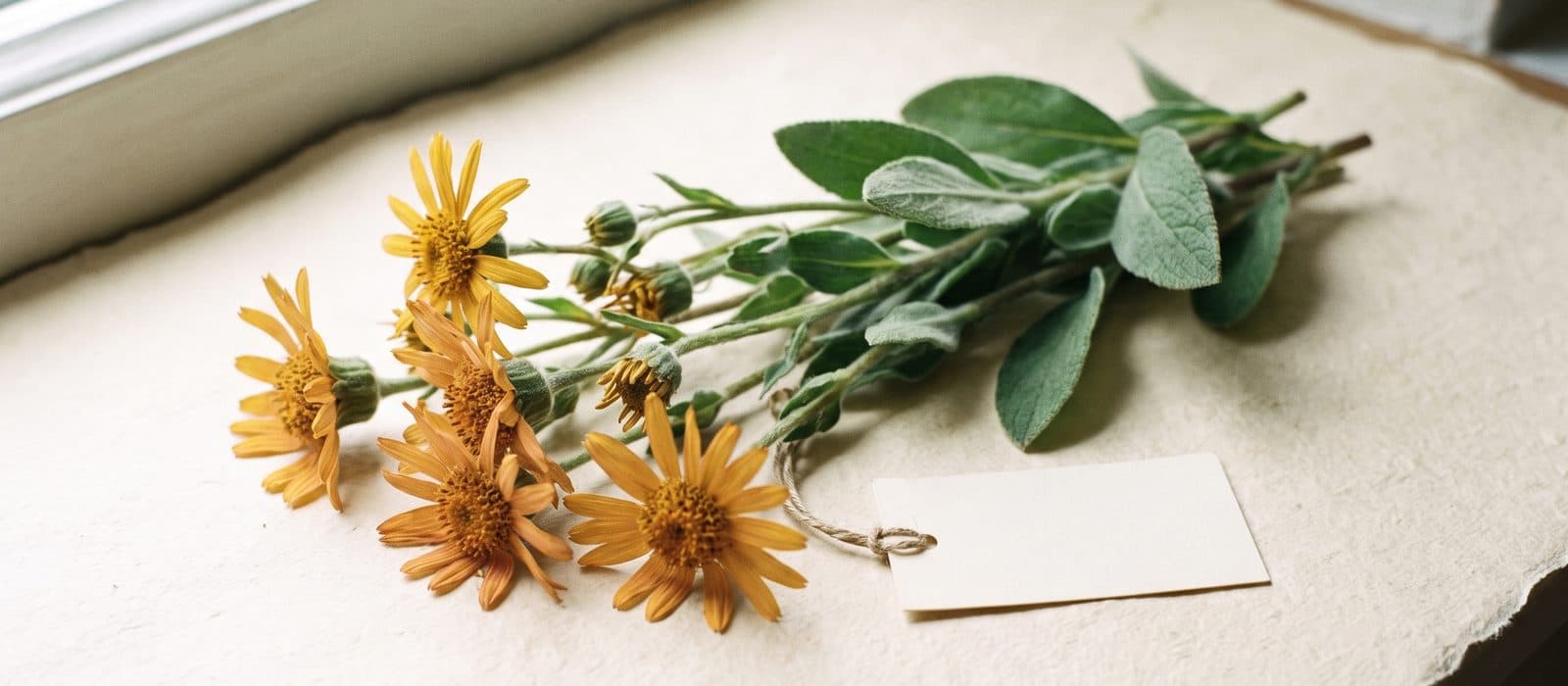
Arnica montana is a homeopathic remedy prepared from leopard's bane, a yellow-flowered mountain daisy of central Europe. In homeopathy it names a traditional picture rather than a treatment: the bruised, sore, beaten-up state after a fall, a blow or overexertion, in a person who insists they are fine and wants to be left alone. Classic materia medica describes the bed feeling too hard, soreness that is worse from touch and from being approached, and a body that feels as if it has been beaten. It is one of the remedies Samuel Hahnemann documented first, in 1805, and it sits at the centre of most home kits. It is not a general injury remedy, and nothing about the picture replaces assessment of an injury that might be serious.
| Latin name | Arnica montana |
|---|---|
| Abbreviation | Arn. |
| Common name | Leopard's bane, mountain arnica |
| Source | Whole fresh flowering plant of a mountain daisy (Asteraceae) (plant kingdom) |
| Commonly sold potencies | 6C, 30C, 200C |
| First proving | Hahnemann, Fragmenta de viribus medicamentorum (1805); expanded in Materia Medica Pura (1811–1821) |
What is Arnica made from?
Homeopathic Arnica is prepared from the whole fresh flowering plant of Arnica montana, a perennial in the daisy family (Asteraceae) that grows in nutrient-poor mountain meadows across central Europe. The bright yellow, slightly ragged flower heads are the part most people picture; the preparation traditionally uses the whole plant, root included.
The plant is steeped in alcohol to make a mother tincture, then diluted and succussed step by step to the potency on the label. That matters, because raw arnica is genuinely poisonous. It contains helenalin and related compounds that irritate the gut and the heart when swallowed, which is why herbal arnica creams are made for unbroken skin only and why the plant itself is not something to eat or brew. At the common potencies the arithmetic says none of the original plant remains; our potencies guide works through that honestly, including why it is the reason science is sceptical.
Two different products share the name. Homeopathic Arnica pellets and liquids are potentised preparations labelled with a potency such as 30C. Arnica gels and creams are usually low-potency or herbal preparations for the skin, labelled differently. Reading the label tells you which one is in your hand.
What is the Arnica picture?
The Arnica picture is a person who has been knocked about and does not want to admit it. They have fallen off a bike, come down a mountain, spent a day moving furniture, or taken a blow, and the whole body feels bruised and beaten, sore as if it had been thrashed. Ask how they are and the answer is "fine, leave me alone". They wave away help, sometimes with a slightly stunned quality, and they do not want to be examined.
Physically, the bruised soreness is the core. Classic texts describe the bed feeling too hard, so the person keeps shifting to find a soft spot that is not there. Touch is unwelcome, and so is the thought of being touched: the old materia medica phrase is fear of being approached, the person who flinches as you reach towards the sore part. The soreness is general, not only at the point of impact, as if the whole body had been through something.
The picture belongs to mechanical trauma and overexertion. Boericke (1927) opens his entry by saying Arnica produces a state much like that resulting from injuries, falls, blows and contusions. Unaccustomed exertion counts too: the walker whose legs feel beaten the day after a long descent, or the person who did too much in the garden.
What makes it better or worse?
The traditional modalities centre on touch and motion. Arnica is worse from being touched and jarred, and better lying down with the head low.
| Modality | Worse | Better |
|---|---|---|
| Touch | Least touch, being approached, jarring | Being left alone |
| Motion | Motion and exertion; also continued rest on a hard surface | Lying down |
| Position | Lying on anything hard ("the bed feels too hard") | Lying with the head low |
| Temperature | Damp cold | No consistent keynote |
| Other | Wine (Boericke) | None listed |
Modalities are how a homeopath tells one bruised person from another; our guide to modalities, better and worse explains why they carry so much weight.
What is Arnica traditionally discussed for?
In homeopathic literature, Arnica is traditionally discussed for the bruised, beaten state after physical trauma and overexertion. Each of these appears on one of our acute pages, where the Arnica-like pattern sits beside its neighbours and the red flags come first.
Muscles after exertion
- Next-day soreness after unaccustomed exercise: sore muscles after a workout.
- The beaten-up legs after a long descent: knee soreness after a hike.
- Overworked lower legs: shin splints from running.
- Overused forearms: tennis elbow soreness and wrist pain from typing.
Bruises, knocks and falls
- A black eye or facial bruise and a bumped, swollen nose.
- A tailbone bruise after a fall.
- A swollen lip after an injury and a painful tongue bite.
- A stone-bruise feeling in the heel after standing.
Strains and sprains
- The bruised element of a sprained ankle, a back strain after lifting and a stiff neck after sleeping awkwardly.
Sore sites after a needle
What is Arnica not?
Arnica is not "the injury remedy", and the commonest misreading is to reach for the name because something was injured. The picture is the bruised, beaten soreness with its particular mental state; an injury without that picture belongs elsewhere in the tradition, and an injury with red flags belongs with a clinician. It is also not a reason to skip assessment of a head blow, a possible fracture, or swelling that keeps spreading.
Arnica is not the picture for injuries defined by something other than the bruise. Homeopaths separate it from its neighbours like this:
| Picture | Where it sits | Defining feature | Key modality |
|---|---|---|---|
| Arnica | Bruised, beaten soreness after trauma or exertion | "I'm fine", bed too hard, fear of being touched | Worse touch and jarring |
| Bellis perennis | Deep tissue: muscle bellies, the trunk, deeper bruising | Deep, lingering soreness where Arnica's picture seems to stop at the surface | Worse cold applications on a hot body |
| Ruta graveolens | Tendons, ligaments, the surface of bones | Bruised, lame feeling in tendons and joints from overuse | Worse lying on the sore part, worse cold and damp |
| Hypericum | Nerve-rich parts: fingertips, toes, tailbone | Shooting pain along a nerve line | Worse touch and jarring of the nerve-rich part |
| Rhus toxicodendron | Joints and muscles after strain | Stiffness that eases as movement continues | Better continued motion, worse first motion |
What potencies is Arnica sold in?
Arnica montana is sold most often as 30C pellets, the common shelf potency for single remedies, with 6C and 200C also widely available; topical gels and creams carry their own labelling. Potency describes the preparation process, not an amount of plant: 30C means thirty successive 1:100 dilutions with succussion between them. Our potencies guide explains the scale and what remains in the vial.
This page deliberately gives no frequency or instructions for taking Arnica. That depends on a whole case, not a remedy name. Read the product label, and talk to a qualified practitioner about an individual situation.
What remedy lists don't tell you
Two things the "top five remedies for bruises" lists leave out:
- The mental state often decides it. The person who insists they are fine, refuses help and recoils from a hand reaching towards them is as much the Arnica picture as the bruise. Lists that sort remedies by body part miss the half of the description homeopaths found most characteristic.
- Arnica's fame is a kit-building convention, not a finding. It is in almost every home kit because falls and knocks are common in households, so manufacturers put the bruised picture first. That tells you what is common, not what fits a particular injury, and it is why the neighbouring pictures in the table above exist at all. Our guide to sprains, strains and overuse walks through how a homeopath reads an injury before any remedy name comes up.
Where the Arnica montana picture appears on this site
Acute pages that discuss this picture among their educational patterns, with the pattern name each page uses.
- What homeopathic remedy for a black eye after a bump?Arnica-like bruised, beaten-up pattern
- What homeopathic remedy for a painful friction blister?Arnica-like bruised soreness pattern
- What homeopathic remedy for a painful tongue bite?Arnica-like bruised tongue pattern
- What homeopathic remedy for a sore arm after a vaccine?Arnica-like beaten-up muscle pattern
- What homeopathic remedy for a sprained ankle?Arnica-like bruising pattern
- What homeopathic remedy for a stiff neck after sleeping awkwardly?Arnica-like bruised trauma pattern
- What homeopathic remedy for a swollen lip after an injury?Arnica-like ballooning lip bruise pattern
- What homeopathic remedy for a swollen nose after a fall?Arnica-like facial bruise pattern
- What homeopathic remedy for back pain after lifting?Arnica-like bruised trauma pattern
- What homeopathic remedy for bruising after a blood draw?Arnica-like sore puncture-site pattern
- What homeopathic remedy for heel pain after standing all day?Arnica-like bruised, stone-bruise heel pattern
- What homeopathic remedy for knee soreness after a hike?Arnica-like descent-day muscle ache pattern
- What homeopathic remedy for shin splints from running?Arnica-like beaten-up muscle pattern
- What homeopathic remedy for sore muscles after an unusual workout?Arnica-like beaten-up DOMS pattern
- What homeopathic remedy for soreness on the outside of the elbow?Arnica-like beaten-up forearm pattern
- What homeopathic remedy for tailbone pain after a fall?Arnica-like bruised fall pattern
- What homeopathic remedy for wrist pain from typing?Arnica-like beaten-up forearm pattern
Not sure whether a picture fits?
A remedy profile describes a picture; it cannot tell you whether that picture matches what you are seeing. An acute consultation starts from the case itself: onset, sensations, what changes it, and the red flags.
Acute consultation · $45Frequently asked questions
- What is Arnica montana?
- Arnica montana is a homeopathic remedy prepared from leopard's bane, a yellow mountain daisy of central Europe. In homeopathy it names a traditional picture: bruised, beaten soreness after a blow, fall or overexertion, in a person who insists they are fine and does not want to be touched. It is a description homeopaths use to compare cases, not a finding that it works for injuries.
- What is Arnica montana used for in homeopathy?
- Homeopathic literature traditionally discusses Arnica for the bruised, sore, beaten-up state after physical trauma: falls, knocks, overused muscles, and the aftermath of exertion. The picture is defined by the bruised soreness, the bed feeling too hard, and the wish to be left alone, not by the name of an injury. Any injury with deformity, numbness, a head blow or rapidly growing swelling needs medical assessment first.
- What is Arnica 30C used for?
- 30C is simply the common shelf potency of Arnica, the one most single-remedy tubes and home kits carry. In the tradition, the potency does not change which picture the remedy belongs to; Arnica 30C is discussed for the same bruised picture as any other Arnica. What 30C means as a dilution is explained in our potencies guide.
- How is Arnica montana taken?
- This page does not give instructions on how or how often to take any remedy, because that depends on a whole case rather than on a remedy name. The product label carries the manufacturer's directions, and a qualified practitioner can advise on an individual situation. If an injury is serious or getting worse, medical care comes first.
- Where can I buy Arnica montana?
- Pharmacies, health-food shops and homeopathic manufacturers sell Arnica montana as single-remedy pellets, most often in 30C, alongside topical creams and gels that are labelled differently. This site also prepares custom single remedies to order: you name the remedy and potency, and the details are confirmed by email before anything is made. The order form does not give advice on which remedy to choose.
- What is Arnica montana made from?
- Homeopathic Arnica is prepared from the whole fresh flowering plant of Arnica montana, a perennial daisy of mountain meadows in central Europe. The plant is steeped to make a mother tincture, which is then diluted and succussed step by step to the labelled potency. The raw plant is poisonous if swallowed, which is why herbal arnica is kept to unbroken skin.
This guide is educational only and is not medical advice or a personalized remedy recommendation. Acute symptoms can become urgent; when in doubt, seek professional evaluation.